Category: Security guides

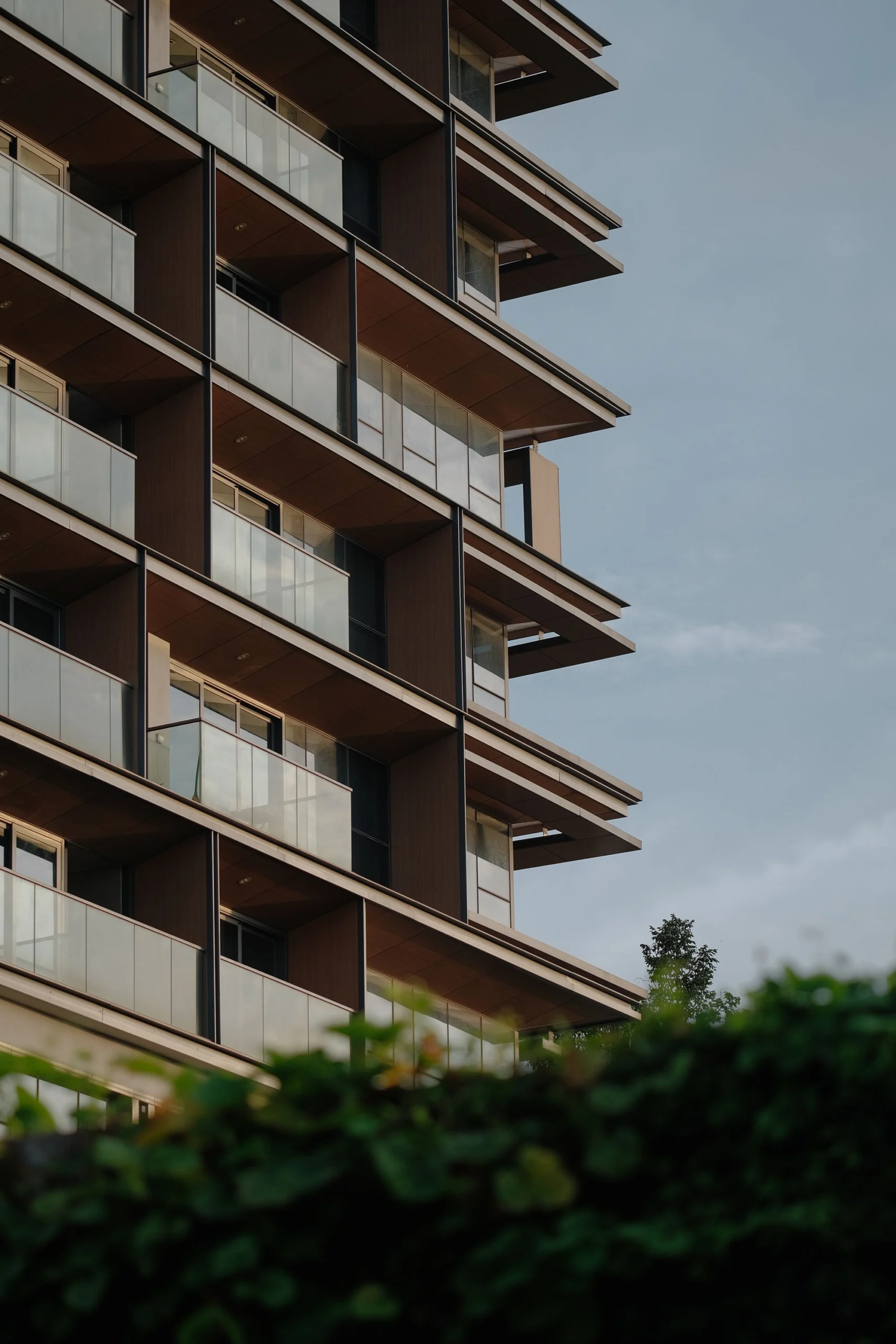
  • Condominium security guard duties: what JMBs and managers should expect

    Condominium security guard duties: what JMBs and managers should expect

    Residents judge their security guards every day: at the boom gate, when a parcel arrives and when something goes wrong at night. For joint management bodies (JMBs), management corporations (MCs) and property managers, clear expectations make the difference between a guard service that works and one that causes complaints.

    Written guardhouse procedures

    Guards should follow written procedures agreed with the management: how residents and vehicles are checked, how visitors are registered, and what to do in an emergency. Ask your provider to brief every new guard on them.

    Visitors, contractors and parcels

    Agree how visitors and contractors are registered, and how parcels and delivery riders are handled, such as holding parcels at the guardhouse or registering riders at the gate. Consistency is what residents notice.

    Regular patrols of common areas

    Car parks, lobbies, stairwells and the perimeter should be patrolled on a schedule, with each patrol recorded.

    Reports the management can use

    Incidents should be recorded and reported to the management office, JMB or MC promptly. Regular summaries help the committee spot patterns and adjust the service.

    Courtesy and firmness

    A good residential guard is courteous with residents and firm with procedures. Supervision and regular briefings keep both standards up.

    GTAC provides unarmed, CSG-certified and supervised guards for condominiums and gated communities. Request a quotation and we will assess your property.

  • Construction site security checklist: what to plan before day one

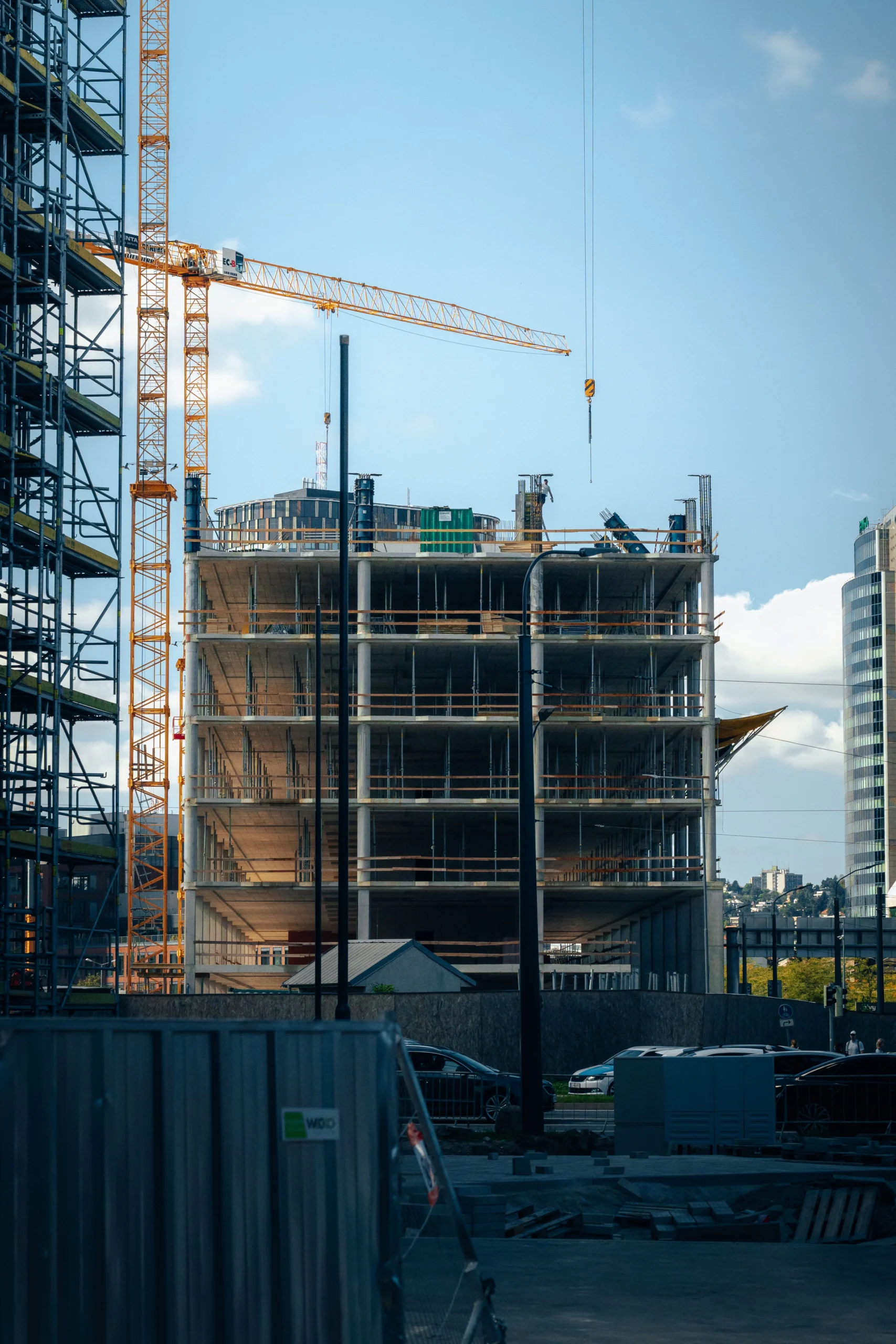
    Construction site security checklist: what to plan before day one

    Construction sites are hard to secure. Boundaries are temporary, layouts change every few weeks, and materials and machinery worth a great deal sit in the open overnight. A little planning before day one makes the guarding far more effective.

    Control one main entrance

    Every extra opening in the hoarding is another way in. Agree one main entrance for workers, visitors and vehicles, and decide who records each entry and exit.

    Record deliveries and materials

    Most losses on site are materials. Ask guards to log deliveries and vehicles in and out against delivery orders, so missing items can be traced to a date and time.

    Plan patrols for when work stops

    The riskiest hours are nights, weekends and public holidays. Agree patrol routes that cover the hoarding, the stores and parked machinery, and review them as the site changes.

    Light the right places

    Guards see more on a lit site. Light the entrance, the stores and the machinery area, and fix broken lights quickly.

    Agree how incidents are reported

    Decide who receives reports of trespass, theft or damage, how quickly, and in what format. Clear reporting helps with insurance claims and with adjusting the guarding as the project moves on.

    Adjust as the project changes

    The site at month two is not the site at month twelve. Review guard numbers and posts at each major stage, from groundworks to handover.

    GTAC provides unarmed, CSG-certified guards for construction sites, from site possession until handover. Request a quotation and we will assess your site.

  • How to choose a security guard company in Malaysia: a checklist

    How to choose a security guard company in Malaysia: a checklist

    Choosing a security guard company is a decision you live with every day: at your gate, in your lobby and in the reports you read when something goes wrong. Price matters, but it should be the last thing you compare, not the first. Here are eight questions worth asking any provider before you sign.

    1. Does the company hold a valid KDN licence?

    Private security companies in Malaysia are licensed by the Ministry of Home Affairs (KDN) under the Private Agencies Act 1971. Ask for the licence, check the company name and registration number on it, and check the expiry date. The ministry also offers an online check of licence status.

    2. Is it a member of an industry association?

    Membership of an association such as Persatuan Industri Keselamatan Malaysia (PIKM) shows that the company takes part in its industry and keeps its paperwork current. Ask for the membership certificate and the year it covers.

    3. How are the guards trained?

    Ask which training the guards have completed before deployment, such as CSG certification, and how new guards are briefed on your site’s procedures before their first shift.

    4. Who supervises the guards?

    A guard on a quiet night shift needs support. Ask who supervises the guards, how often the supervisor visits, and whom you call when you have a concern.

    5. Is the service insured?

    Ask what the company’s insurance covers and request a copy of the relevant certificate for your records.

    6. How will incidents be reported to you?

    Good guarding is visible in its reports. Ask to see a sample incident report and agree how quickly incidents are escalated to you, and to whom.

    7. What happens when a guard is absent?

    Ask how a guard who calls in sick is replaced, and how quickly. Write the answer into the contract.

    8. Did they assess your site before quoting?

    A quotation made without a site visit is a guess. A provider who asks about your entrances, operating hours and risks first is more likely to propose the right number of guards and shifts.

    A short checklist

    • Valid KDN licence in the company’s name
    • Industry association membership
    • Guard training before deployment
    • A named supervisor and a contact number
    • Insurance cover
    • A sample incident report
    • Replacement arrangements in the contract
    • A site assessment before the quotation

    GTAC is KDN-licensed, a PIKM member and deploys CSG-certified, supervised and insured guards. If you would like us to assess your site, request a quotation.